
Women’s Osteopathy in Amsterdam
At Terra | Soma Osteopathie, we provide expertise osteopathic treatment for women in Amsterdam experiencing cycle-related complaints, abdominal or pelvic discomfort, pregnancy-related symptoms, and post-partum recovery.
Does this sound familiar?
• Pain that returns around your menstrual cycle
• Pelvic discomfort affecting how you move
• Abdominal or digestive complaints without a clear cause
• Fatigue that fluctuates throughout your cycle
• Discomfort during pregnancy
• Pain or instability after childbirth
If this sounds familiar, you are not alone.
Many women seek treatment when symptoms have been present for some time. Pain can gradually affect how you move, sleep, or work. Osteopathy identifies and treats physical patterns that contribute to these complaints.
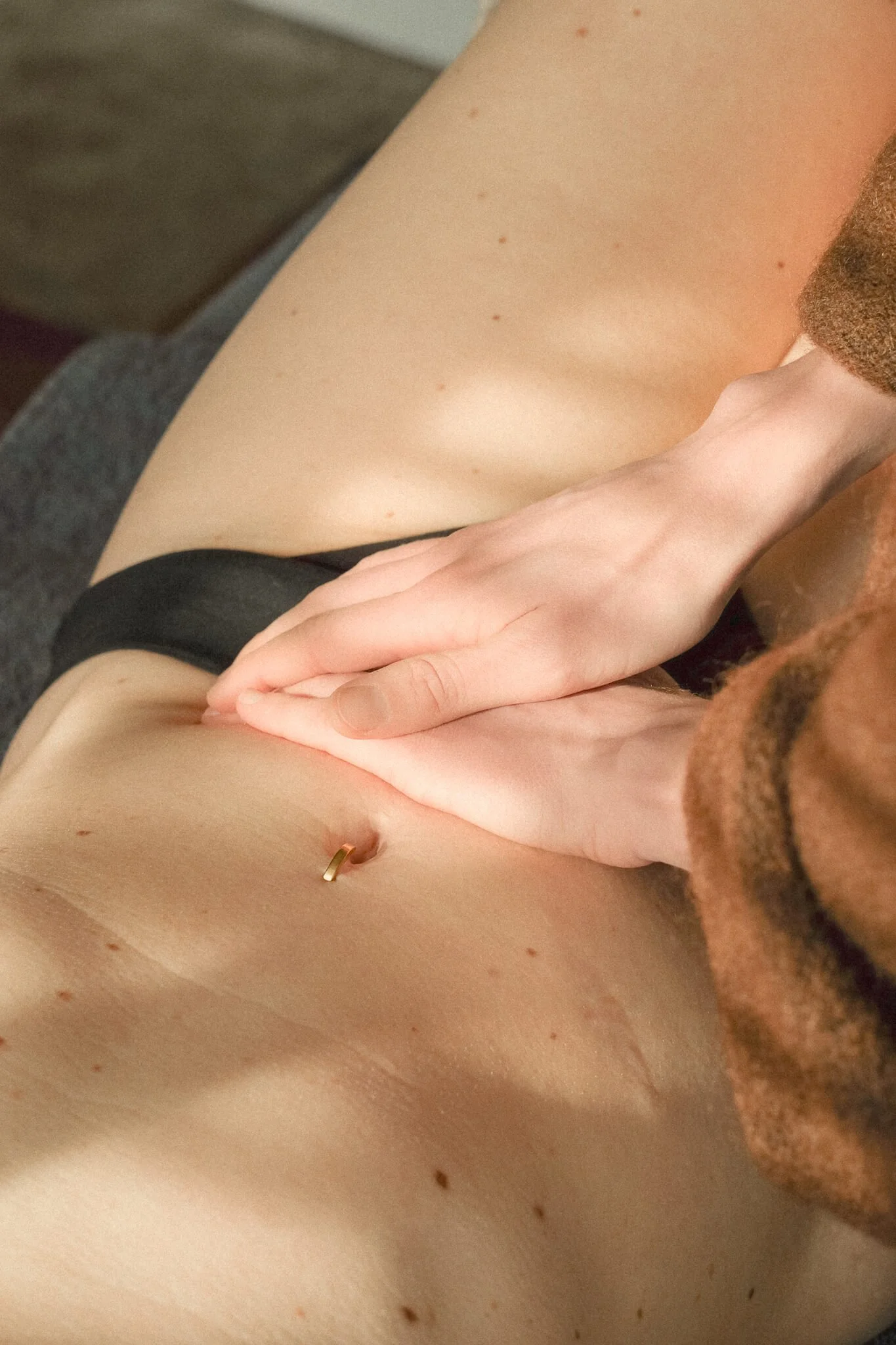

How? Because osteopathy treats the body as an interconnected system.
Treatment focuses on improving mobility between joints, connective tissues, and organs.
It reduces tension patterns that contribute to symptoms.
All this is integrated with regulation of the hormonal and nervous system.
The aim is to support sustainable recovery towards a healthy, resilient body.
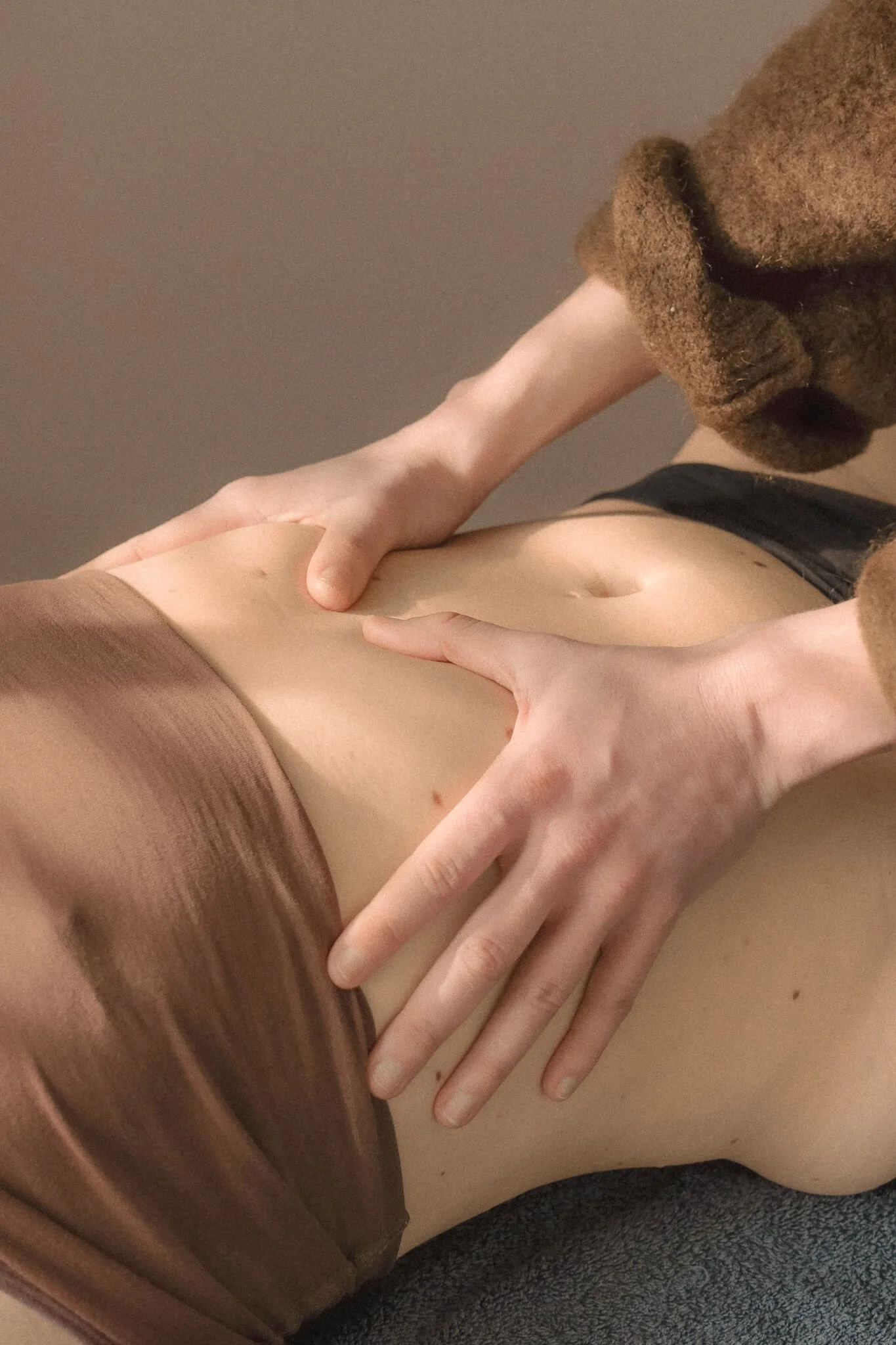
Osteopathy for pelvic pain & hormonal health
Pelvic or abdominal discomfort, reduced mobility in the pelvic region, or tension around the diaphragm and abdominal organs may contribute to symptoms such as pain, fatigue, or digestive problems.
Osteopathy may support women experiencing:
• menstrual pain
• PMS-related complaints
• pain during intercourse
• digestive symptoms or intestinal discomfort
• bladder or bowel complaints
• symptoms associated with PCOS, endometriosis, or adenomyosis
Rather than treating a single symptom in isolation, osteopathy considers broader physical patterns.
By improving mobility, circulation, and coordination between different regions of the body, treatment aims to reduce recurring symptoms and support greater stability in daily functioning.

Osteopathy during Pregnancy
Pregnancy brings significant physical changes. Posture shifts, ligaments become more flexible, and the body continuously adapts to increasing weight and changing physical demands.
For many women, back or pelvic discomfort gradually increases as pregnancy progresses. Sleep may become more disrupted, and everyday movements — such as walking, bending, or turning in bed — can require more effort.
Osteopathy during pregnancy may support symptoms such as:
• lower back and pelvic pain
• coccyx or pubic bone pain
• neck and shoulder tension
• restricted mobility of the ribs or diaphragm
Treatment focuses on reducing tension and improving mobility while the body adapts to pregnancy. When appropriate, simple exercises may also be discussed that you can practise at home to support the body.
Treatment is available from the twelfth week of pregnancy and is carefully adapted to each stage.

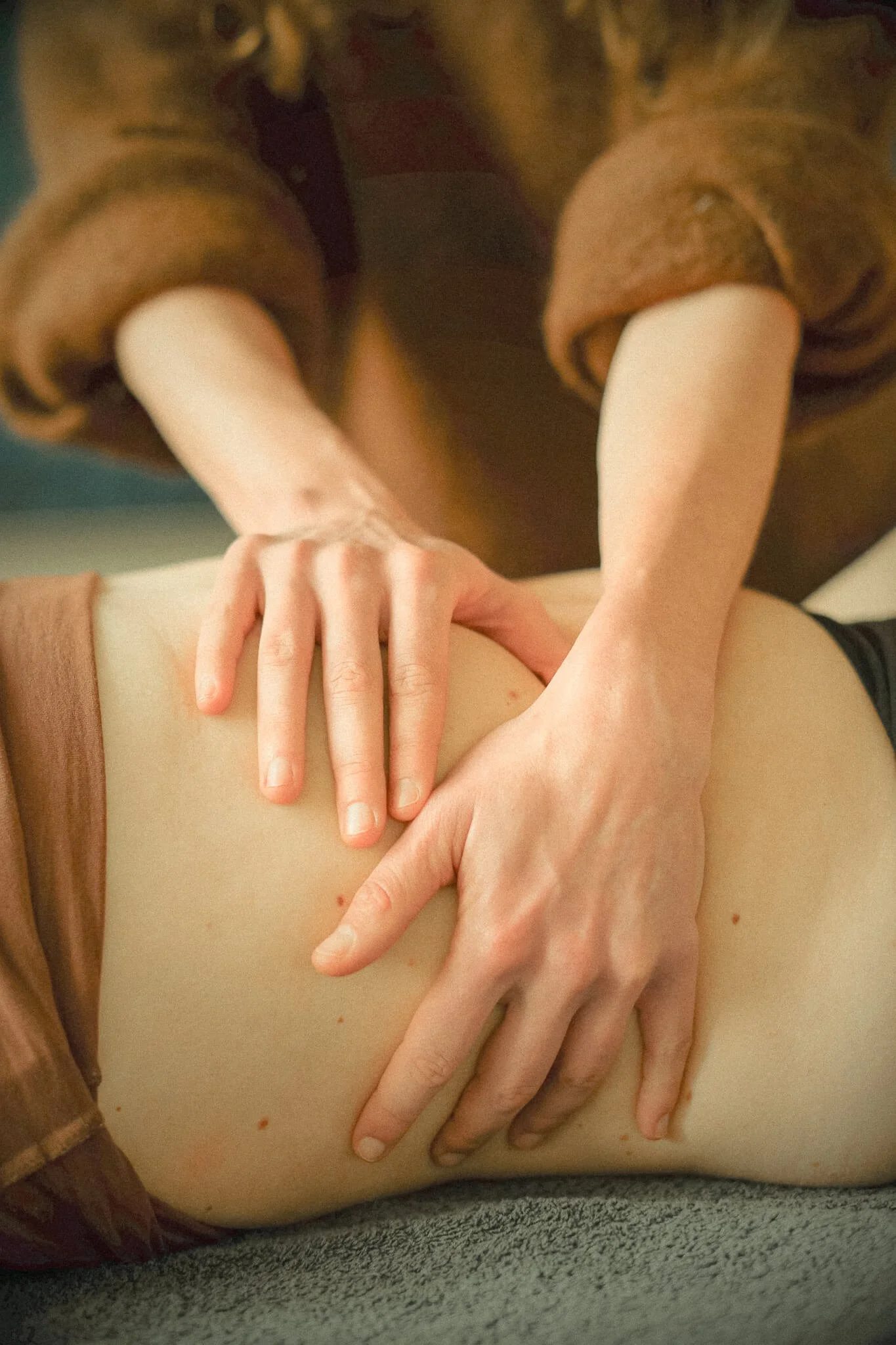
Osteopathy for Post-Partum Recovery
Childbirth changes the body — structurally and hormonally. Recovery involves not only tissue healing but also restoring stability and coordination.
Pelvic discomfort may remain present weeks or months after birth. Lifting, climbing stairs, or turning in bed can still cause pain. While this is common, it does not mean you need to continue living with it.
Osteopathy may support symptoms such as:
• pelvic floor tension
• lower back or coccyx pain
• bladder complaints
• restrictions around a caesarean scar
• posture-related tension
Treatment focuses on restoring mobility and coordination in the pelvic region, with attention to the pelvic floor and the relationship between the coccyx and pubic bone.
Support can often begin around four weeks after a vaginal birth and six weeks after a caesarean section, depending on recovery.
Osteopathy as a careful and attentive approach
Many women arrive after months or even years of searching for explanations for their symptoms. Treatment provides space to explore these complaints carefully and without assumptions.
Every treatment begins with listening.
Your story, symptoms, and daily experience form the starting point of care. Attention is given to how different factors in the body interact.
Osteopathy focuses on improving mobility, reducing tension, and supporting the body’s capacity for recovery.
When appropriate, complementary support may also be considered. Collaboration may involve pelvic physiotherapists, orthomolecular practitioners, dieticians, and other healthcare professionals working in movement or mental wellbeing.


Frequently Asked Questions
-
Osteopathy does not replace medical treatment for hormonal conditions. Treatment focuses on mobility, circulation, and tension patterns in the body, which may influence how symptoms are experienced.
-
Yes. Treatment is adapted to the stage of pregnancy and respects the physiological changes taking place in the body.
-
In uncomplicated recovery, treatment can often begin around four weeks after a vaginal birth and six weeks after a caesarean section.
-
In many cases, noticeable change can occur within one to three treatments.
-
No. You can schedule treatment directly.
When recurring or persistent symptoms begin to influence how you move, sit, sleep, or organise your day, it may be helpful to look at them more closely.
Treatments are available in Amsterdam.
No referral is required.
Ready to book an appointment in Amsterdam?
Osteopathy may also support babies or adults experiencing persistent symptoms.
Read more below: