Integrative Care for the Whole Body
At TERRA | SOMA Osteopathie, osteopathy is approached as structural and integrative.
The body does not function in isolated parts. Muscles, joints, connective tissues, organs, and the hormonal and nervous systems continuously influence one another. When mobility decreases in one area, other areas may compensate. Over time, this can contribute to tension, persistent strain, or pain.
Osteopathy focuses on identifying and addressing these restrictions.
Rather than treating only the location of pain, we assess how different regions of the body interact. A complaint in the lower back, for example, may relate to pelvic mobility, diaphragm tension, scar tissue, posture, or stress-related regulation patterns.
Through precise, hands-on techniques, osteopathy aims to improve mobility, reduce mechanical strain, and support hormonal and nervous system regulation. The intention is not temporary relief alone, but structural improvement that supports sustainable recovery.
Osteopathy may be suitable for women with hormonal or pelvic complaints, babies with physical discomfort, and adults experiencing acute, chronic, or recurring pain.
You can explore how this approach applies specifically to women’s health, baby osteopathy, or adult complaints below.


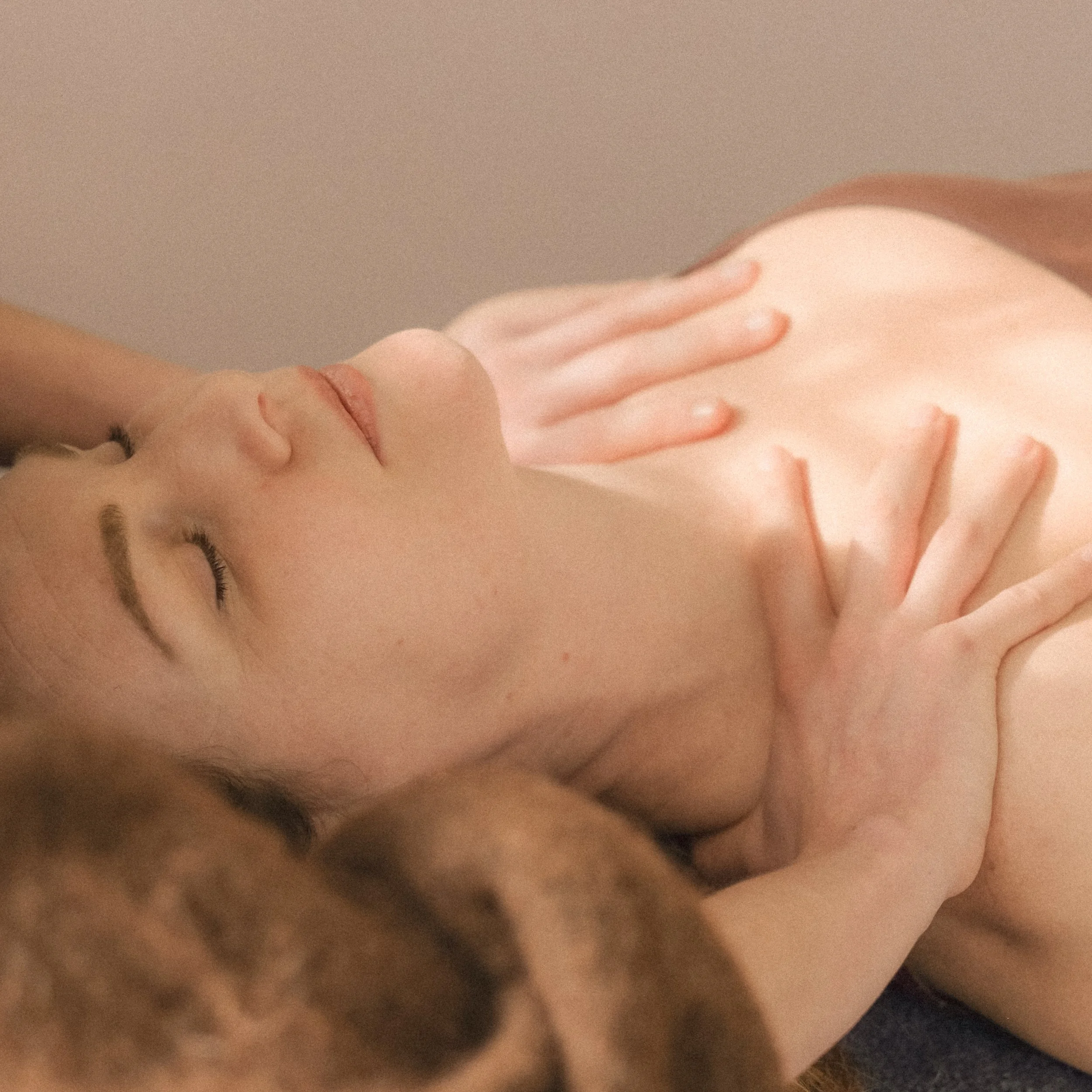
How Osteopathy Differs
Osteopathy focuses on how structure and regulation influence function.
Instead of concentrating only on symptoms, it considers:
• Mobility between joints and tissues
• The relationship between posture and internal regulation
• The interaction between hormonal and nervous system balance
• How compensation patterns may maintain pain
This perspective allows treatment to address underlying mechanical and regulatory factors that may contribute to persistent complaints.
Frequently Asked Questions
-
An osteopath works with mobility restrictions and tension patterns that may contribute to pain or reduced function. This can include musculoskeletal complaints, pelvic pain, stress-related symptoms, digestive complaints, and post-injury recovery.
-
Osteopathy shares similarities with other manual therapies but places particular emphasis on how structure, mobility, and internal regulation influence each other. Treatment considers joints, connective tissues, organs, and hormonal and nervous system regulation. Rather than focusing on one isolated region.
-
Yes. Treatment is adapted to the age, condition, and medical background of each individual. When necessary, referral to or collaboration with other healthcare professionals is discussed.
-
Yes. Chronic complaints often involve compensatory movement patterns and altered hormonal and nervous system regulation over time. Osteopathy aims to address contributing structural factors and support sustainable improvement.